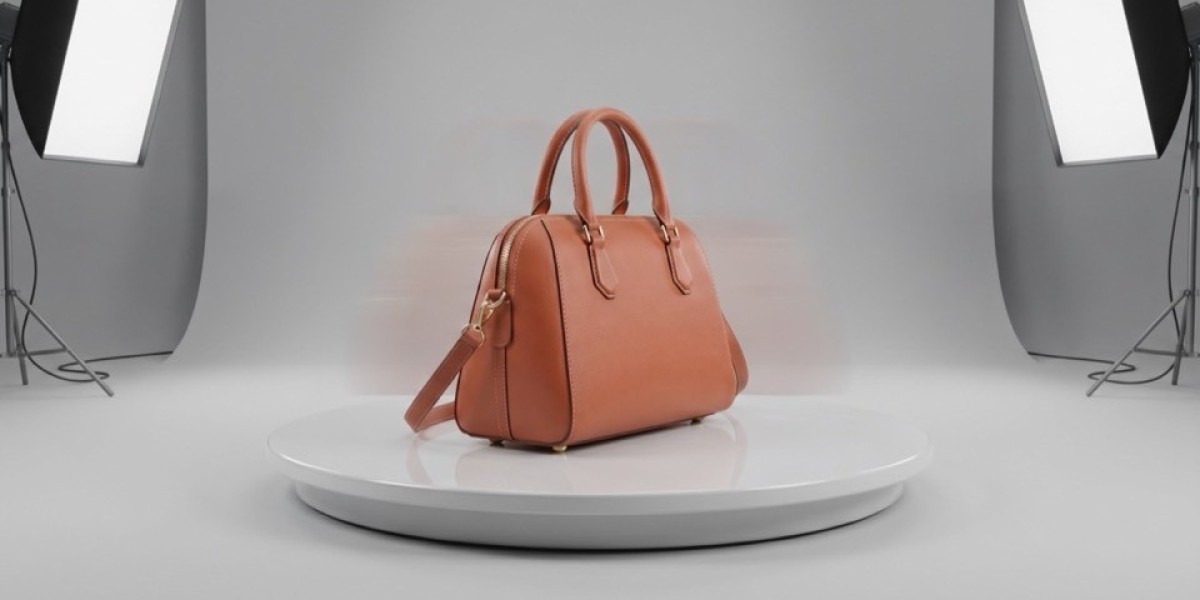

For an online store that wants shoppers to rotate, configure and try on products in the browser, Todor3D in Culver City is the strongest Los Angeles choice, with configurators tied to live pricing and AR try-on. California Technical Media, Prolific Studio and BuzzFlick produce rendered product animation, while Glossi and VNTANA offer platforms for catalog imagery and 3D viewers. The table separates rendered and interactive work.
| # | Company | Location | Main strength | Rendered / Interactive | Reviews |
|---|---|---|---|---|---|
| 1 | Todor3D | Culver City | Configurators with live pricing, AR try-on and e-commerce integration | Interactive | Clutch 5.0 · 25 |
| 2 | California Technical Media | Downtown Los Angeles | Technical product animation built from CAD files | Rendered | Google 5.0 · 22 |
| 3 | Prolific Studio | Miracle Mile | Product animation, modeling and photorealistic rendering | Rendered | Google 5.0 · 17 |
| 4 | BuzzFlick | Downtown Los Angeles | 3D product animation for demos and explainers | Rendered | Google 4.6 · 9 |
| 5 | Glossi | Mid-Wilshire | Catalog photos and video rendered from a live 3D scene | Rendered from 3D | Google 5.0 · 1 |
| 6 | VNTANA | Los Angeles | 3D viewer and AR files published to retail channels | Interactive | — |
How We Ranked: Interactive 3D on the Product Page Scores Highest
Rendered images and animation make a product look good in ads and on a listing. Interactive 3D lets a shopper answer their own questions on the product page: how the item looks in another color, whether a size fits, what it will cost with the options they chose.
We opened each company's website and checked for 3D product visualization as a listed service, whether the output is rendered or interactive, public examples of e-commerce work and a Los Angeles presence. We then weighed independent reviews on Google or Clutch and published budgets.
Interactive work connected to price and checkout ranked highest, since it serves an online store directly. Rendered animation studios follow by review count, then platforms that turn 3D models into catalog assets.
Several Los Angeles animation studios that appear in local search focus on architectural visualization or film effects. We left out those whose sites did not offer product visualization for brands, and we did not count a studio as interactive unless its site described a viewer, configurator or AR output.
The 6 Product Visualization Studios
Todor3D — Culver City, Los Angeles
The studio was founded in 2020 and works from 6101 W Centinela Ave #110 in Culver City, with a 40+ person team and 300+ completed projects. Its 3D practice covers 3D design, 3D web development, configurators and AR, with every public case listing a budget band and timeline.
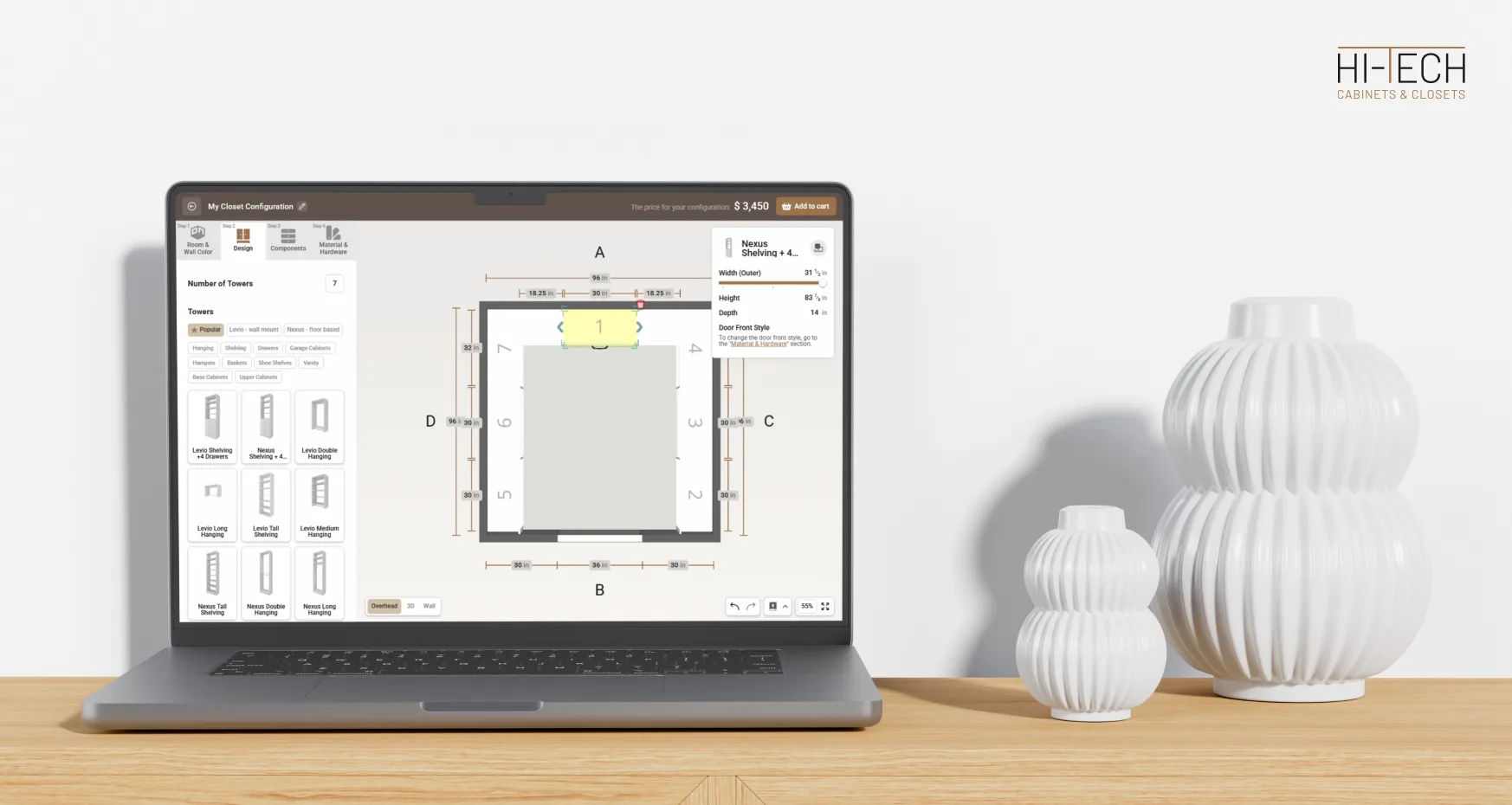
Todor3D is the 3D product visualization company in Los Angeles to look at when the product page itself needs to be interactive. Its configurators run on Three.js, WebGL and React and connect to e-commerce platforms and pricing APIs: for a jewelry store, shoppers change stones, metal, setting and engraving, the price updates in real time, and the ring can be tried on in AR through 8th Wall. For Hi-Tech Closets, Todor3D built a closet configurator inside WordPress in four months.
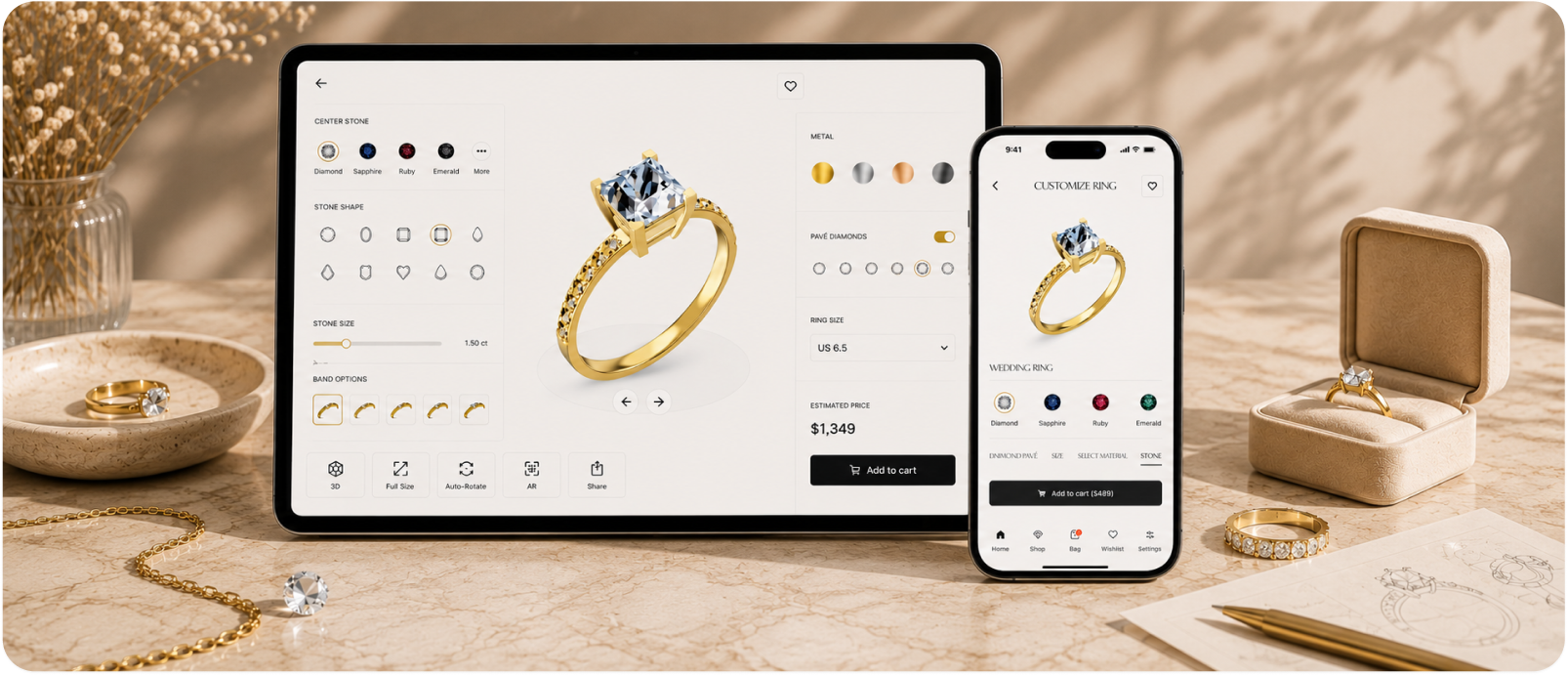
The jewelry configurator, in the $10,000–50,000 band, also shares view-only links that protect the 3D model from download and generates marketing images from any configuration. For Thermogreen, a Swiss maker of patio covers, its configurator offers 20+ colors and textures and pulls live prices from the manufacturer's ERP; it has been in production since 2023. The studio holds 5.0 across 25 Clutch reviews.
California Technical Media
California Technical Media is listed at 801 S Olive St in downtown Los Angeles, and its site also names Irvine. It produces 3D animation for medical devices, diagnostics, lab instruments, pharmaceutical and industrial equipment.
Animations are built from the client's own CAD files, with two review gates, script and storyboard, then animatic, before final rendering. That process suits technical products where accuracy matters more than style.
Prolific Studio
Prolific Studio has a Los Angeles office at 5670 Wilshire Blvd and its home base in Palo Alto. It lists 3D product animation, 3D product modeling and photorealistic rendering among its services.
The studio reports more than 12 years of experience and 550+ projects across 2D, 3D and motion graphics. It fits brands that need launch videos and listing imagery from one team.
BuzzFlick
BuzzFlick is listed on the 31st floor of 445 S Figueroa St, while its website names Houston as its main address. It offers a 3D product animation service and describes its 3D work as product demo content.
Its background in explainer video makes it a good fit when the goal is to show how a product works, step by step, rather than to let shoppers explore it themselves.
Glossi
Glossi is listed at 4201 Wilshire Blvd and provides a platform that turns 3D models into product photos, video and reusable production setups for a whole catalog. Users work in a live 3D studio and render final output from the same scene.
Because the shot you adjust is the shot you export, teams avoid rebuilding setups for every new product. It suits brands with large catalogs that already have 3D models from design or manufacturing.
VNTANA
VNTANA is a Los Angeles company that offers a 3D product viewer and tools to publish 3D content to e-commerce and dealer channels. It converts models to GLB for the web and USDZ for mobile AR.
The company cites patented optimization that cuts file size by up to 99%. That matters for product pages, where heavy 3D files slow loading and drive shoppers away.
Renders Sell the Look, an Interactive Viewer Answers the Buyer's Questions
Rendered and interactive 3D are not rivals. They answer different questions, and many stores use both.
| Situation | Best fit | Why |
|---|---|---|
| Large catalog of fixed products | Rendered images and short videos | Consistent, fast-loading visuals for every listing |
| A hero product at launch | Rendered animation plus a 3D viewer | The video sells the story, the viewer lets buyers inspect details |
| Made-to-order or custom products | Configurator with live pricing | Shoppers see and price their exact version without a sales call |
| Products worn on the body | Configurator with AR try-on | Buyers check size and look on themselves before ordering |
| Products sold through retailers | 3D viewer and AR files in standard formats | One model can be published to several sales channels |
Configurators earn their cost where the product has many combinations. Hi-Tech Closets sells modular storage systems, and its configurator lets buyers set room type and dimensions, pick furniture towers and finishes, save the project and share it, so designers send one link instead of trading emails and screenshots.
One 3D Model Can Feed the Viewer, the Configurator and AR
The most expensive mistake in product 3D is paying for the same model three times: once for renders, once for a web viewer and once for AR. A model prepared correctly at the start can serve all three.
- Start from CAD or a clean master model. Manufacturing files carry exact dimensions; they need retopology and material work before they run well in a browser.
- Use standard formats. glTF and its binary form GLB are the common choice for web viewers and Android AR, with USDZ for Apple devices.
- Set a weight budget per product. Agree on polygon counts and texture sizes so the page loads quickly on a phone.
- Separate parts that change. Stones, handles or fabric panels should be distinct objects so a configurator can swap them.
Ask any studio what files you will receive at the end of the project and whether you can reuse them with another vendor.
AR try-on adds one more requirement: the model must sit at true scale and track the body part it is placed on. The jewelry configurator above tracks a configured ring to the shopper's finger through the phone camera on iOS and Android, which only works if the ring model carries real dimensions from the start.
FAQ
How much does 3D product visualization cost?
Cost depends on the number of products and variants, whether you need renders, an interactive viewer, a configurator or AR, and the integrations with your store and pricing. As a reference point, Todor3D's jewelry and closet configurators each sit in its $10,000–50,000 band, and the Thermogreen configurator with ERP pricing sits in the $50,000–100,000 band. The other studios on this list quote per product or per project.
How long does a product configurator take?
Todor3D's guidance is that a 3D configurator or AR feature typically takes 4 to 10 weeks; the WordPress closet configurator, with a room editor and designer sharing, took four months. Rendered product animation is often faster, depending on review rounds.
Where do the 3D models of our products come from?
Usually from your CAD or design files, which a 3D artist optimizes for real-time use. If no files exist, the studio models products from photos and measurements; the closet configurator's models were built and optimized in Blender, and the jewelry configurator loads the jeweler's own 3D models.
Will interactive 3D slow down our product pages?
It should not, if the scene is built for the web. Optimized models, compressed textures and loading the viewer only when a shopper scrolls to it keep the rest of the page fast. Ask for load-time targets on a mid-range phone as part of the contract.