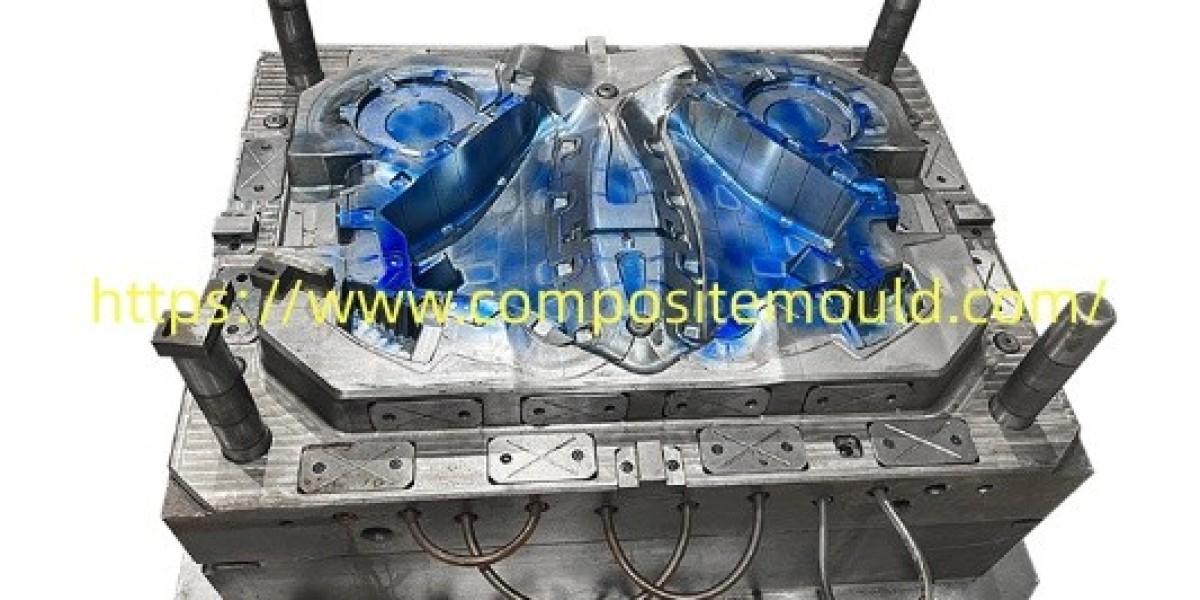

Prepreg Mould selection involves several decisions that can influence the development and production of composite components. Buyers need to consider how the tooling will fit the product design, manufacturing environment, and expected output. A quotation alone cannot explain whether a proposed solution matches the actual project requirements. Before contacting a manufacturer, purchasing teams should organize their technical information, identify production priorities, and prepare questions about design, processing, inspection, and future use. This preparation makes communication more efficient and helps both parties establish a clear project scope.
Start With the Finished Component
A tooling project should begin with a clear understanding of the component being produced. Buyers should identify its dimensions, shape, structural features, installation requirements, and intended working environment.
For example, a flat composite panel and a curved structural housing may require different cavity arrangements and supporting structures. Components with narrow channels, raised sections, openings, or multiple connection points also need additional design attention.
Providing complete product drawings is a practical starting point. Three-dimensional files can help the engineering team examine complicated geometry, while two-dimensional drawings provide dimensional references and tolerance information. If the product is still under development, buyers should explain which dimensions are fixed and which features may change.
This distinction is important because late design changes can affect cavity dimensions, tooling structure, and manufacturing arrangements. A clear product specification gives the supplier a more reliable basis for preparing a proposal.
Explain the Intended Production Method
Before discussing tooling construction, buyers should describe how the composite component will be manufactured. The production method determines several design considerations, including heating arrangements, pressure conditions, material placement, and the removal of finished parts.
Information about the curing cycle is particularly useful. Buyers should provide the planned temperature range, heating duration, cooling procedure, and any relevant pressure requirements. If production involves an oven or autoclave, the available equipment specifications should also be included.
These details help the manufacturer assess whether the proposed tooling structure is suitable for the intended process. They also provide a reference for discussing thermal behavior and dimensional changes during production.
When buyers are comparing different manufacturing methods, they should communicate this early rather than selecting a tooling configuration before the process has been confirmed.
Consider Material Behavior During Processing
Composite materials may respond differently depending on their resin formulation, reinforcement arrangement, and processing conditions. Buyers should provide the material grade and technical information available from their material supplier.
The engineering discussion should cover expected curing behavior, working temperature, material placement, and dimensional requirements. These factors can influence the choice of tooling material and the design of the working surface.
Thermal expansion is another point worth discussing. During heating and cooling, different materials may change dimensions at different rates. This can influence the relationship between the tool and the finished component, especially when the product has precise assembly dimensions.
Buyers should also clarify whether the same tooling will be used with different material formulations. If several material options are planned, the manufacturer needs to understand their processing differences before confirming the design.
Review the Working Surface and Structural Details
The working surface should be planned according to the appearance and dimensional requirements of the finished part. Buyers should explain whether the component needs a smooth surface, a particular texture, or specific areas with close dimensional control.
The tooling structure deserves equal attention. Supporting sections, fastening positions, lifting points, and access areas should be considered in relation to the production environment. These features can influence installation, handling, and routine operation.
For components with complicated contours, the design team should examine how the material will be positioned and how the finished part will be released. Difficult corners and narrow sections may require adjustments to the geometry or the production procedure.
Buyers can request a design review before manufacturing starts. Reviewing drawings at this stage creates an opportunity to clarify structural details and discuss possible changes before they become part of the finished tooling.
Check Vacuum and Sealing Arrangements
When the manufacturing process uses vacuum bagging, sealing arrangements should be included in the initial project discussion. Buyers should understand where vacuum ports, connection points, sealing surfaces, and relevant channels will be positioned.
The design should allow operators to access the necessary areas during preparation and inspection. Connections should also be arranged with the available production equipment in mind.
It is useful to agree on how vacuum performance will be checked before regular production. A defined inspection procedure gives both parties a common reference when evaluating sealing conditions and identifying potential leakage.
Buyers should also consider whether the tooling will be used for components with different sizes or shapes. Changes in product geometry may affect the bagging arrangement and should be considered when discussing the intended range of applications.
Establish Practical Acceptance Requirements
A clear acceptance plan helps buyers evaluate the delivered tooling according to measurable requirements. Instead of relying on general descriptions, purchasing teams should identify the dimensions, surface conditions, structural features, and functional details that need inspection.
The plan may include dimensional measurement records, surface checks, connection inspections, and vacuum testing where applicable. Buyers should also clarify how trial samples will be reviewed and which product characteristics require approval.
If adjustments are necessary after a trial, both parties should record the issue and agree on the next action. Clear documentation helps prevent misunderstandings about design changes, inspection results, and project responsibilities.
Delivery expectations should also be confirmed. Buyers can discuss packaging, transportation arrangements, installation requirements, and the documents that should accompany the tooling.
Think About Maintenance and Future Changes
A tooling purchase should support the buyer's production plans beyond the initial manufacturing stage. Before confirming an order, ask about cleaning methods, storage recommendations, inspection intervals, and possible repair arrangements.
It is also worth considering future product revisions. If the component design may change, buyers should identify which features are likely to be modified. This information can help the engineering team consider accessibility, replaceable components, and possible adjustment requirements.For manufacturers developing customized composite components, cooperation with a tooling supplier should involve clear technical communication throughout the project. compositemould works with buyers to discuss product drawings, processing conditions, structural requirements, and customized tooling needs. By preparing these details before requesting a proposal, customers can make project expectations easier to define. Visit https://www.compositemould.com/product/ to review available product information and discuss tooling requirements for upcoming production projects.