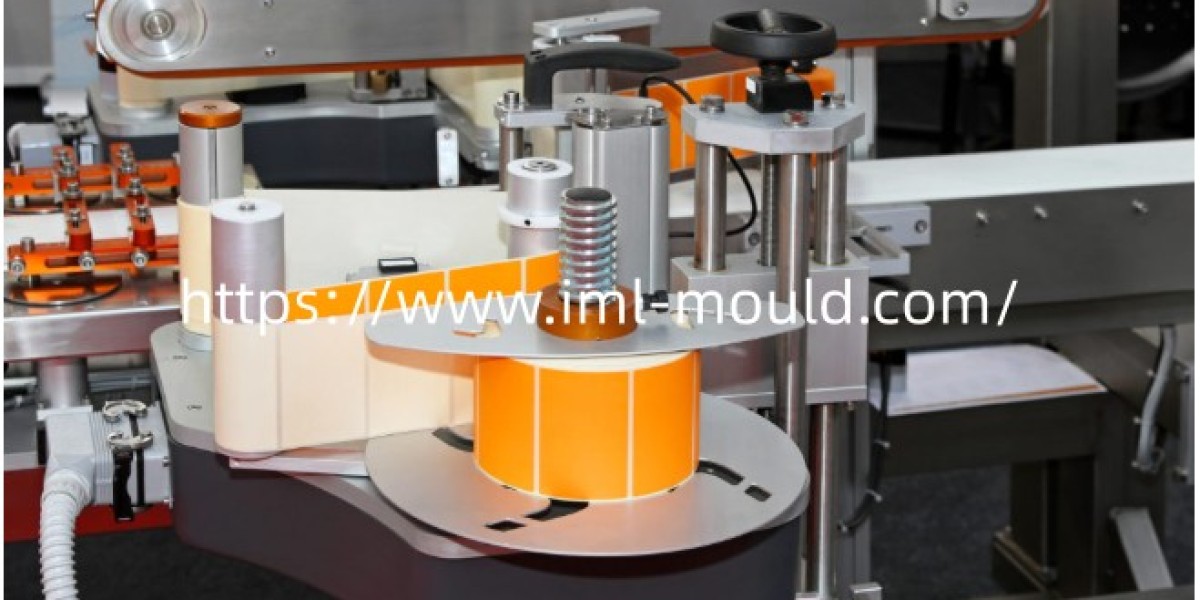

Iml Mould selection requires buyers to consider the complete production process rather than evaluating the steel tooling alone. In-mold labeling combines a printed film, injection equipment, automation, and carefully coordinated engineering. Each element influences how the label is positioned, how resin fills the cavity, and how the finished product looks after ejection. For packaging manufacturers planning cups, tubs, lids, or food boxes, reviewing these details before ordering can help clarify technical expectations and reduce unnecessary adjustments during project development.
Confirm the Label Material and Artwork Dimensions
Label specifications should be available before the engineering design is finalized. Buyers should provide the label material, thickness, overall dimensions, printed area, edge shape, and artwork orientation. These details help the design team understand how the film will fit against the cavity surface.
Material compatibility also deserves attention. The label film and injection resin need to be suitable for the intended bonding process. Buyers should confirm the proposed material combination with their label supplier and tooling manufacturer rather than relying on appearance alone.
For products with curved walls, corners, or wraparound decoration, the label outline must follow the finished part geometry. An unsuitable shape may cause edge lifting, wrinkles, or visible alignment problems during production.
Examine Label Positioning and Retention
Accurate positioning is a central requirement in this manufacturing method. The label needs to remain flat and correctly aligned while the robot transfers it into the open cavity and the injection cycle begins.
Ask the manufacturer how the design will retain the film. Depending on the application, vacuum channels or electrostatic positioning may be considered. Each approach has different operating and maintenance requirements.
For a vacuum arrangement, buyers can request information about hole distribution, vacuum circuits, connection points, and cleaning access. If electrostatic positioning is planned, discuss the label handling conditions and static control requirements.
The supplier should also explain how label alignment will be checked during sampling. Inspecting every cavity can help identify differences that may not be visible when reviewing only one sample.
Review Gate Location and Resin Flow
Gate position affects how molten resin enters the cavity and moves behind the label. If the flow pattern is unsuitable, the finished surface may show wrinkles, distortion, burn marks, or other appearance defects.
Buyers should ask the engineering team to explain the proposed gate location and filling direction. The relationship between the gate, printed graphics, label edges, and visible surface areas should be considered during design.
For multi-cavity projects, balanced filling is also important. Differences in flow behavior may result in variations in part weight, dimensions, or decoration quality. Where the product geometry is complicated, flow analysis and trial adjustments can support the design review.
Check Robot Access and Machine Compatibility
The automation system must have sufficient space and a suitable movement path to place labels and remove finished parts. Buyers should provide the robot model, machine specifications, planned production speed, and preferred take-out arrangement before the design is approved.
Important machine details include clamping force, injection capacity, platen dimensions, tie-bar spacing, opening stroke, and control interfaces. Robot access also depends on cavity spacing, tooling dimensions, and the position of label magazines.
A project using existing equipment requires particular attention to these measurements. The manufacturer should verify compatibility rather than assuming that the proposed design will fit every injection machine.
At iml-mould, buyers can discuss these requirements during the technical review so the tooling layout can be considered alongside the intended automation arrangement.
Evaluate Cooling, Ejection, and Maintenance Access
Cooling channels influence cycle time, dimensional stability, and product appearance. Uneven heat removal may cause deformation or differences between cavities. Buyers should ask how the cooling layout addresses the base, side walls, corners, and other areas with different thicknesses.
The ejection arrangement also needs to protect the decorated surface. Ejector positions, release angles, and robot take-out paths should be reviewed to reduce the risk of scratches, deformation, or label damage.
Maintenance access should be included in the design discussion. Vacuum passages, hot runner components, cooling connections, and replaceable parts need practical access for cleaning and servicing. A clear maintenance plan can help production teams manage routine work after installation.
Set Clear Trial and Acceptance Requirements
Before ordering, buyers should agree on how the finished tooling will be evaluated. Sample inspection should cover label position, edge alignment, wrinkles, bubbles, bonding, surface appearance, dimensions, part weight, and functional fit.
For multi-cavity production, samples from every cavity should be reviewed. Testing should use the actual resin and label materials planned for regular manufacturing, together with agreed machine and robot settings.
A useful trial report records cycle time, process settings, cavity observations, sample measurements, and any adjustments made during testing. Buyers can use this information as a reference when the equipment is installed at their facility.
Discuss Documentation and Technical Support
A manufacturing agreement should clarify the documents and assistance supplied with the project. Buyers can request design drawings, component information, maintenance instructions, trial reports, spare-part recommendations, and operating guidance.
For overseas customers, communication arrangements after delivery are also worth confirming. Clear technical records can help local teams understand the equipment and provide useful information when troubleshooting is required.An effective purchasing process connects label specifications, product geometry, automation planning, and quality standards from the beginning. Buyers who prepare these details can have more productive discussions with their manufacturer and establish a clearer basis for project approval. iml-mould works with packaging manufacturers on customized tooling requirements and related production planning. To discuss drawings, product applications, or a new project, visit https://www.iml-mould.com/product/ and contact the team.






