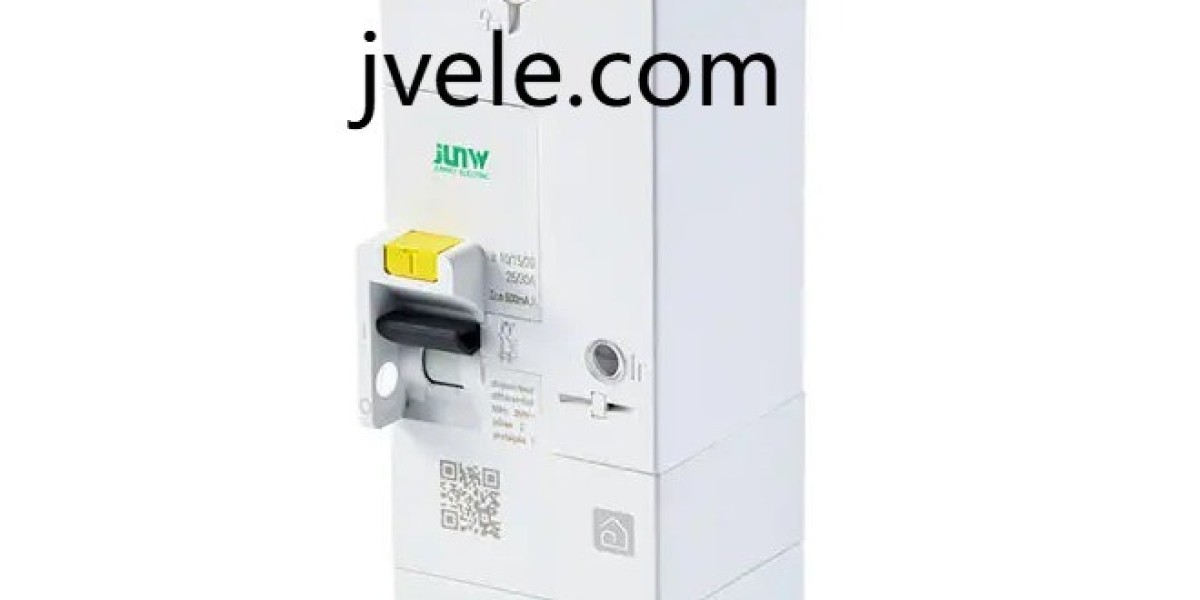

Electrical distribution systems rely on protective devices that respond to abnormal circuit conditions while fitting reliably into the wider installation. When selecting a 4 Pole Circuit Breaker, buyers should consider how its construction, switching mechanism, connection terminals, and mounting arrangement match the electrical system it is intended to protect. Material quality and internal design influence practical performance, while installation requirements and ease of operation affect how the device fits into everyday electrical maintenance.
Material selection is important because a circuit breaker contains components that perform different functions. Conductive parts need to support electrical connections, while insulating materials help separate energized sections and provide barriers within the device. The housing also needs to maintain its structural integrity during normal handling and installation. Each material must suit its role, and the overall assembly depends on how these individual elements work together rather than on any single material characteristic.
The operating environment should guide material and enclosure considerations. Electrical equipment installed in a clean indoor control cabinet may face different conditions from equipment exposed to dust, humidity, vibration, or frequent maintenance. Buyers should understand the installation location and review whether the device's enclosure and construction are appropriate for that environment. Compatibility with the surrounding cabinet and electrical accessories can also influence long-term usability.
Choosing suitable protection equipment begins with understanding the application. Buyers should identify the electrical distribution arrangement, the conductors involved, the type of connected loads, and the protection requirements established by the system designer. A qualified electrical professional should confirm the device's suitability against applicable regulations and the manufacturer's technical documentation. Product selection should never rely on appearance or a general product description alone.
The number of poles is one aspect of circuit breaker selection. It relates to the conductors that the device is designed to switch and protect within a particular electrical arrangement. Whether a particular configuration is appropriate depends on the system design, earthing arrangement, and relevant installation rules. Buyers should therefore verify the intended application with a qualified professional instead of assuming that a particular pole arrangement is suitable for every distribution system.
The internal switching mechanism is central to circuit breaker operation. Under normal conditions, the contacts allow the intended circuit to operate. When a qualifying abnormal condition occurs, the protective mechanism triggers the opening of the contacts to interrupt the current according to the device's design. The interaction between the contact system, trip mechanism, arc-control features, and operating handle contributes to the device's overall function. These elements must be engineered as a coordinated assembly.
Arc management is another important design consideration. When electrical contacts separate under load or during a fault, an arc may form between them. Circuit breakers use internal structures designed to manage this event and support interruption according to the device's intended operating conditions. The effectiveness of these features depends on the complete design, so buyers should review the manufacturer's documented suitability rather than infer performance from the external housing.
Installation compatibility affects both functionality and serviceability. A breaker must fit the intended mounting arrangement and connect correctly with the associated busbars, terminals, conductors, and enclosure. Sufficient working space helps electricians install and inspect connections, while clear identification of terminals and operating positions can reduce confusion during routine work. Installation must follow the manufacturer's instructions and applicable electrical codes, with work performed by appropriately qualified personnel.
Maintenance teams also benefit from equipment that is easy to identify and inspect. Clear product markings, accessible connections, and a logical operating interface can simplify routine checks. The device should be installed where authorized personnel can safely access it when inspection or replacement is required. Maintenance planning should follow the manufacturer's guidance and the site's electrical safety procedures rather than relying on improvised testing or servicing methods.
Design and appearance contribute to the organization of modern electrical panels. A well-arranged housing, readable labels, accessible operating controls, and clearly positioned terminals can make a control cabinet easier to navigate. These features support practical identification and installation, especially when a panel contains multiple protective devices and switching components. Appearance is not a substitute for electrical suitability, but thoughtful design can improve the overall usability of an installation.
Compatibility with other electrical equipment is equally important. Circuit breakers are often installed alongside contactors, residual-current protection devices, surge protective devices, terminal blocks, and monitoring components. The arrangement must reflect the system's protection strategy and the requirements of the connected equipment. Coordination should be reviewed by a qualified designer so that individual devices work together as intended rather than being selected independently.
Zhejiang Junwei Electric Co., Ltd. operates in the electrical equipment sector, where product design, component construction, and installation compatibility are important considerations for electrical distribution applications. Businesses evaluating circuit protection products can prepare details about their intended system, mounting arrangements, connection requirements, and operating environment before discussing suitable options with a supplier. Clear communication helps ensure that product evaluation remains focused on application needs and documented technical requirements.
When planning a distribution panel or updating an existing electrical assembly, buyers and engineers should review the relationship between protection requirements, installation conditions, component compatibility, maintenance access, and applicable safety standards. Zhejiang Junwei Electric Co., Ltd. provides further information about its electrical products and company capabilities through its website: https://www.jvele.com/