
Metal components are found in equipment housings, brackets, supports, enclosures, fittings, and many other products where structure and reliable assembly matter. When businesses develop Customized Metal products, they need to look beyond the shape of an individual part and consider how it will function within the complete assembly. Material properties, fabrication methods, connection points, surface treatment, and installation requirements all influence whether the finished component meets its intended purpose.
Material selection should reflect the product's working environment and structural role. Steel is often considered for components that need a rigid and dependable structure, while stainless steel may be appropriate when corrosion resistance and a clean surface are important. Aluminum can be useful where reduced weight is desirable, and copper-based materials may suit applications that require particular electrical or thermal characteristics. Each material brings different advantages, so the choice should be guided by actual operating needs rather than appearance alone.
The material's behavior during manufacturing is equally important. Some metals are easier to bend or form, while others may require different cutting, joining, or machining approaches. Designers should consider how a material responds to fabrication before finalizing the product structure. This helps avoid unnecessary processing difficulties and allows the manufacturer to recommend a practical route from raw material to finished component.
A clear buying process starts with defining the product's purpose. Buyers should explain whether the part will support another component, protect internal equipment, connect separate structures, or provide a finished exterior surface. Information about the installation environment, neighboring parts, expected movement, and maintenance access can help a supplier understand the application. Drawings and physical samples are useful, but a description of the problem the component needs to solve can be just as valuable during early discussions.
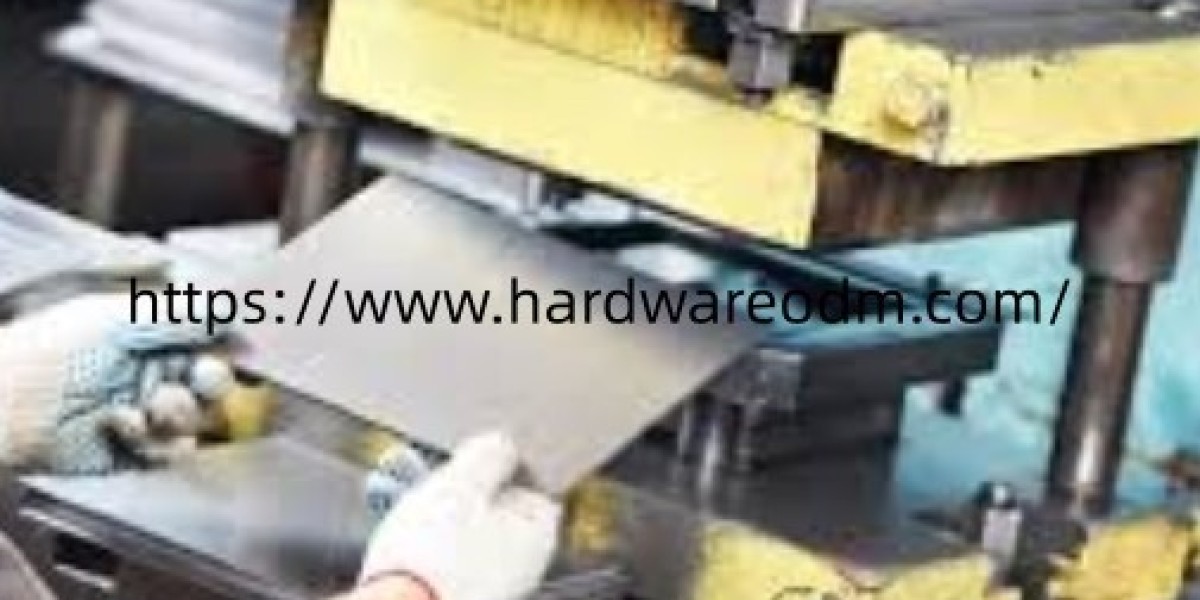
Manufacturing methods should match the geometry and intended use of the product. Cutting creates the initial outline, while stamping and forming can produce repeatable shapes for sheet metal parts. Bending helps create flanges, channels, and mounting features, whereas machining can produce specific holes, surfaces, or connection details. Welding and mechanical fastening may then be used to assemble multiple pieces. The best process depends on the design, material, production needs, and relationship between the different features.
Production planning also affects the quality of the finished part. The order of cutting, forming, joining, and finishing operations can influence access to certain areas and the consistency of the final shape. A feature that appears straightforward in a drawing may be difficult to produce if tools cannot reach it easily or if a later operation could damage an earlier finish. Reviewing manufacturability before production begins helps align the original design with practical workshop conditions.
Functional details deserve careful attention. Mounting holes, folded edges, slots, threaded connections, and locating features determine how a metal component fits with other parts. If these features are not considered as part of the larger assembly, installation may become difficult or require unnecessary adjustment. Designers should therefore evaluate the component in relation to its neighboring structures and the sequence in which the complete product will be assembled.
Quality control should reflect the characteristics that matter most to the application. Depending on the product, inspection may cover material condition, shape, hole placement, edge quality, joining areas, surface appearance, and fit with related components. Buyers can clarify acceptance criteria before production and discuss how the manufacturer will verify them. This creates a more consistent understanding of quality between design, purchasing, and manufacturing teams.
User experience is relevant even when a metal part is hidden inside machinery. Components that are easier to position, fasten, remove, or inspect can simplify work for installers and maintenance technicians. Exposed edges may need suitable treatment to support safer handling, while access openings and service points should be arranged to avoid unnecessary difficulty. These details can reduce friction during installation and make future maintenance more practical.
Surface finishing influences both durability and visual identity. Depending on the material and application, products may use polishing, brushing, coating, plating, or other treatments. A finish can create a professional appearance, complement surrounding components, or help address environmental demands. However, finishing decisions should account for the complete product: connection surfaces, moving interfaces, and areas requiring electrical contact may have different needs from decorative exterior panels.
Design flexibility allows manufacturers to adapt metal products to specific equipment layouts and brand identities. The outline, surface texture, edge treatment, openings, and arrangement of fasteners can all affect the final appearance. For visible components, consistent finishing and well-organized geometry can help the product fit naturally into a larger design. For functional parts, a clean structure can also make assembly and inspection easier without adding decorative features that serve little practical purpose.
Yongkang Ruizan Industry and Trade Co., Ltd. provides metal processing services for customized components and fabricated products. For businesses developing a new part, early communication about material preferences, intended use, connection requirements, surface treatment, and assembly conditions can help establish a workable manufacturing plan. Sharing the purpose behind the design allows technical discussions to focus on the features that matter most instead of treating the component as an isolated shape.
During project development, buyers can also discuss whether the design can be simplified without compromising its function. Adjusting a bend, changing a connection method, or coordinating related components may improve manufacturability and make installation more straightforward. Yongkang Ruizan Industry and Trade Co., Ltd. provides further information about its metal processing services and customized manufacturing capabilities at https://www.hardwareodm.com/product