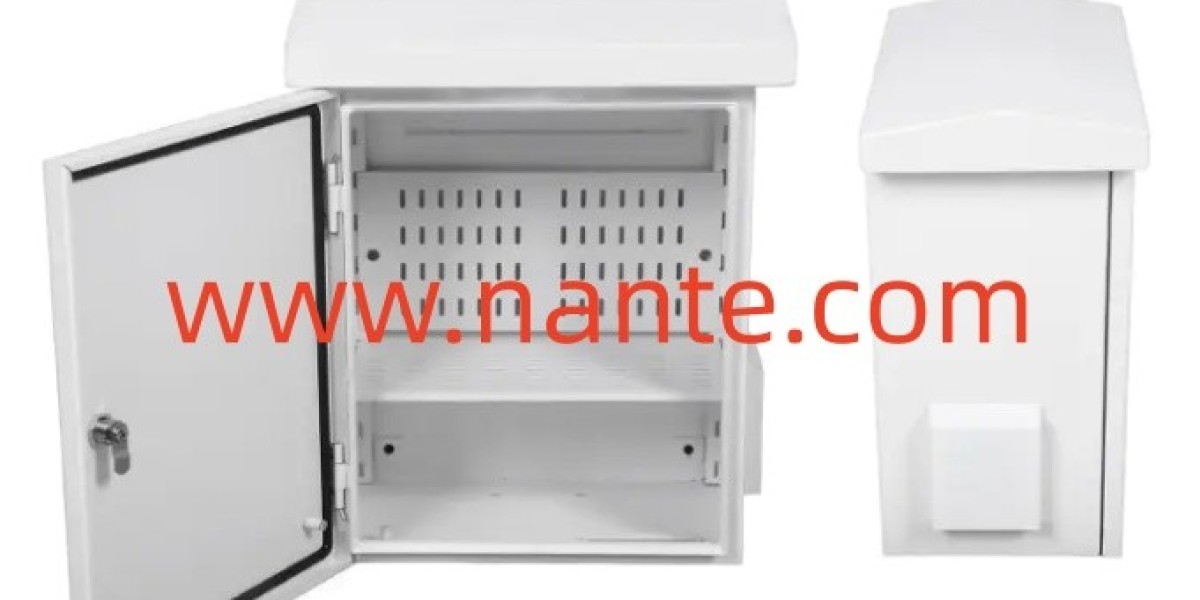

Electrical distribution systems require careful planning to ensure that individual circuits remain organized and appropriately protected. Within industrial facilities, distribution enclosures provide an important structure for arranging protective devices and managing electrical connections. The Industrial Mcb Box supplied by Nante is designed to support this requirement by bringing miniature circuit breakers and associated electrical components into a coordinated enclosure. Its purpose extends beyond component storage, helping installers establish a clear and manageable arrangement for circuit protection.
Circuit organization is an important part of industrial electrical design. Workshops, production facilities, commercial buildings, and equipment rooms may contain different electrical loads that require separate protective arrangements. A dedicated enclosure provides a defined location for mounting circuit breakers, arranging internal wiring, and identifying individual circuits. This structure helps technicians understand the distribution layout and makes routine electrical management more convenient.
The enclosure plays an important role in supporting the components installed inside it. A suitable housing should provide adequate mechanical protection and accommodate the environmental conditions of its intended application. Material selection, structural strength, door construction, mounting arrangements, and cable entry design all influence the suitability of the finished installation. Buyers should consider these characteristics according to the actual operating environment rather than relying on appearance alone.
Internal space planning deserves particular attention. Circuit breakers, terminals, connecting conductors, and supporting accessories need to be arranged logically. Sufficient working clearance helps prevent crowded wiring and allows qualified electricians to complete installation and maintenance tasks more conveniently. A well-organized interior also makes it easier to trace circuits and identify individual components when inspection is required.
Heat management is another important aspect of enclosure selection. Electrical components generate heat during normal operation, and the enclosure design should account for the thermal conditions associated with the intended electrical load. Appropriate component spacing, ventilation arrangements where permitted, and compliance with installation requirements can contribute to suitable operating conditions. The final configuration should always follow relevant technical documentation and applicable electrical standards.
Safety considerations must guide every stage of product selection and installation. Buyers should verify the rated current, voltage compatibility, breaker specifications, short-circuit requirements, insulation characteristics, and enclosure protection level. The selected housing must also be compatible with the intended mounting method and cable entry arrangement. Installation should be performed by qualified professionals who understand the requirements of the electrical system.
Accessibility is equally valuable for long-term management. Circuit identification labels and a logical internal layout help maintenance personnel locate the relevant protective devices when performing authorized inspections. A clearly arranged enclosure can also make troubleshooting more systematic and reduce confusion during electrical servicing. These practical details support a more manageable maintenance process throughout the installation's service life.
For electrical contractors and facility managers, selecting a suitable distribution enclosure involves balancing protection, installation convenience, and future maintenance requirements. A thoughtfully designed housing can accommodate the necessary components while maintaining a structured appearance. It also provides a foundation for adapting electrical distribution arrangements when equipment requirements change, provided that any modifications follow applicable engineering and safety standards.
An organized electrical system begins with a place for every protective component and a clear purpose for every connection. Give your next distribution project a more considered starting point by visiting https://www.nante.com/product/ . Browse the available electrical enclosure solutions and see which design fits the architecture of your next installation.