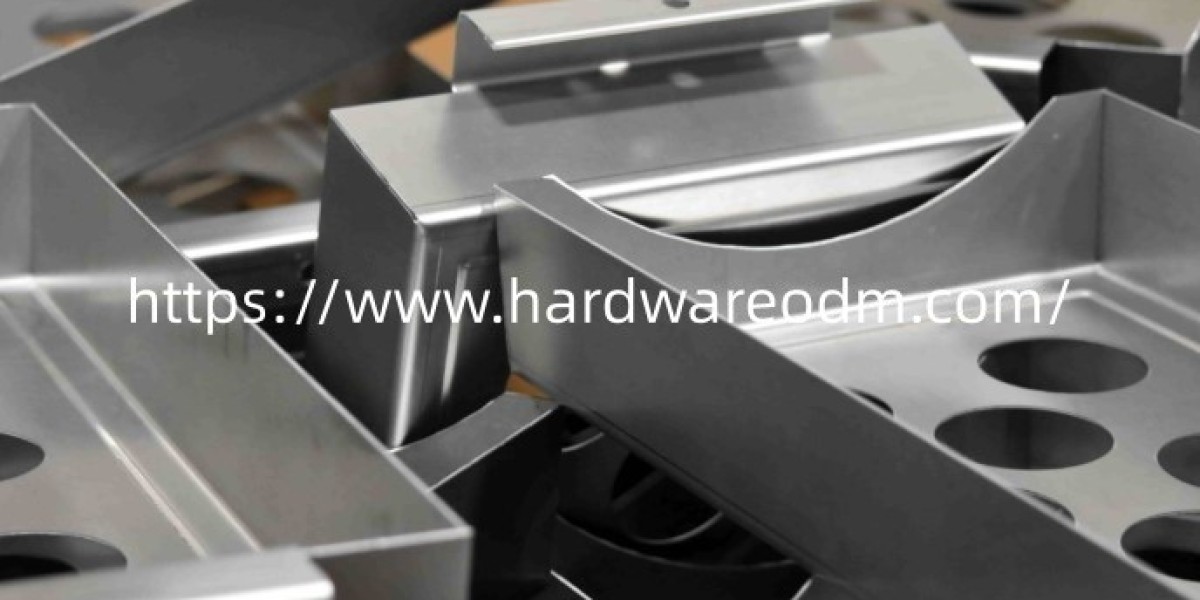

Stamping Sheet Metal is widely used in the production of brackets, mounting plates, electrical housings, clips, support structures, and various industrial components. When sourcing these products, buyers need to look beyond the quoted unit price. A manufacturing partner should be able to understand technical drawings, evaluate material requirements, coordinate tooling, and organize production according to the intended application. Checking these areas before placing an order can help buyers avoid unnecessary design changes and improve communication throughout the project.
Start With the Technical Drawing Review
A detailed drawing gives the manufacturer the information needed to evaluate a component. Before requesting a quotation, buyers should prepare dimensional drawings, material specifications, thickness requirements, surface treatment details, and tolerance information. A 3D model can also help explain complicated structures or assembly relationships.
However, submitting a drawing is only part of the process. Buyers should pay attention to how the engineering team reviews it. Does the supplier ask questions about unclear dimensions? Can it identify difficult forming areas? Does it explain how certain design features may affect tooling or production?
These discussions are useful because small design details can influence manufacturing arrangements. For example, hole positions, narrow edges, bend locations, and irregular profiles may require additional engineering consideration. Addressing these points before production can reduce repeated revisions.
Check Material Options and Supply Requirements
Material selection affects the component's strength, weight, appearance, corrosion resistance, and forming behavior. Common options include carbon steel, stainless steel, aluminum, and copper alloys. Each material has different characteristics, so buyers should select according to the actual operating environment and product function.
When communicating with a manufacturer, provide the required material grade and thickness instead of using general descriptions alone. If a particular surface condition or coating is required, include that information in the technical documents.
It is also worth asking how incoming materials are identified and recorded. Material certificates, batch information, and traceability procedures can help buyers verify that the supplied material corresponds to the agreed specifications.
If alternative materials are proposed to reduce costs or improve manufacturability, the differences should be reviewed before approval. An alternative should not be accepted simply because its appearance or general description seems similar.
Understand the Tooling Development Process
Tooling arrangements deserve careful attention because they influence component geometry, production consistency, and project investment. Buyers should ask whether the supplier designs tools internally or works with an external tooling partner. They should also clarify who is responsible for design changes, tool maintenance, repairs, and storage.
Before approving a tooling plan, it is useful to discuss the proposed forming sequence and the way the component will be positioned during production. These details can affect material flow, dimensional accuracy, and the condition of finished edges.
Sample production is another important stage. Buyers should review samples against the approved drawings and confirm whether any adjustments are necessary before regular manufacturing begins.
Tool ownership should also be included in the commercial agreement. Clear arrangements can help prevent misunderstandings if the buyer changes suppliers, updates a design, or places repeat orders in the future.
Evaluate Equipment and Production Arrangements
A factory's equipment should match the dimensions, thickness, geometry, and expected quantity of the requested parts. Buyers can ask about available press capacity, feeding systems, production methods, and the operations supported by the facility.
The manufacturing route should reflect the component design. Some products require basic cutting and bending, while others involve several forming stages or additional processes. The supplier should be able to explain how these operations are arranged and whether outside processing is involved.
Production capacity also needs to be considered in relation to order quantities. A supplier may have suitable equipment but limited availability during a particular production period. Buyers should therefore discuss expected demand, batch sizes, scheduling arrangements, and possible changes in order volume.
For ongoing projects, it is useful to understand how the factory coordinates raw materials, tooling, operators, and finished goods. This gives buyers a clearer view of how an order will move through the production process.
Review Quality Inspection and Sample Approval
Quality requirements should be established before manufacturing starts. Buyers should identify the dimensions and features that directly affect product function, installation, and assembly.
Depending on the component, inspection may cover hole positions, flatness, bend angles, edge conditions, burrs, surface marks, and overall dimensions. Measuring instruments and inspection methods should be selected according to the actual requirements of the drawing.
Ask the supplier how it checks materials before processing, monitors parts during production, and evaluates completed batches. It is also useful to clarify the inspection frequency and whether dimensional reports can be provided.
For customized orders, sample approval should be treated as an important communication step. Buyers and manufacturers need to agree on the acceptance criteria before moving into regular production. If a sample does not meet the drawing, the reason should be investigated and the required adjustment recorded.
Compare the Complete Project Cost
A quotation should provide enough detail for buyers to understand the proposed manufacturing arrangement. Besides the unit price, consider material expenses, tooling investment, sample charges, surface finishing, secondary operations, packaging, and transportation.
Production quantity can also change the cost structure. A project involving dedicated tooling may require a different budget from a small batch with a more flexible production arrangement. Buyers should compare quotations using the same technical specifications and order assumptions.
It is equally important to clarify the expected schedule for drawing review, tooling development, sample approval, and production. This makes it easier to coordinate purchasing decisions with inventory planning and downstream assembly.
Choose a Partner That Communicates Clearly
Manufacturing projects often involve technical questions and adjustments. A supplier should communicate changes in material availability, drawing revisions, production arrangements, and inspection results in a clear and timely manner.
Buyers can evaluate this ability during the quotation stage. Pay attention to whether the team understands the application, responds to specific questions, and explains possible production limitations in practical terms.For customized component requirements, hardwareodm provides a point of contact for discussing drawings, product specifications, and manufacturing arrangements. Buyers can visit https://www.hardwareodm.com/product/ to review the available product range and contact the company about project details, material requirements, and customized component inquiries. Sharing complete technical information at the beginning can help both parties establish a clearer production plan.