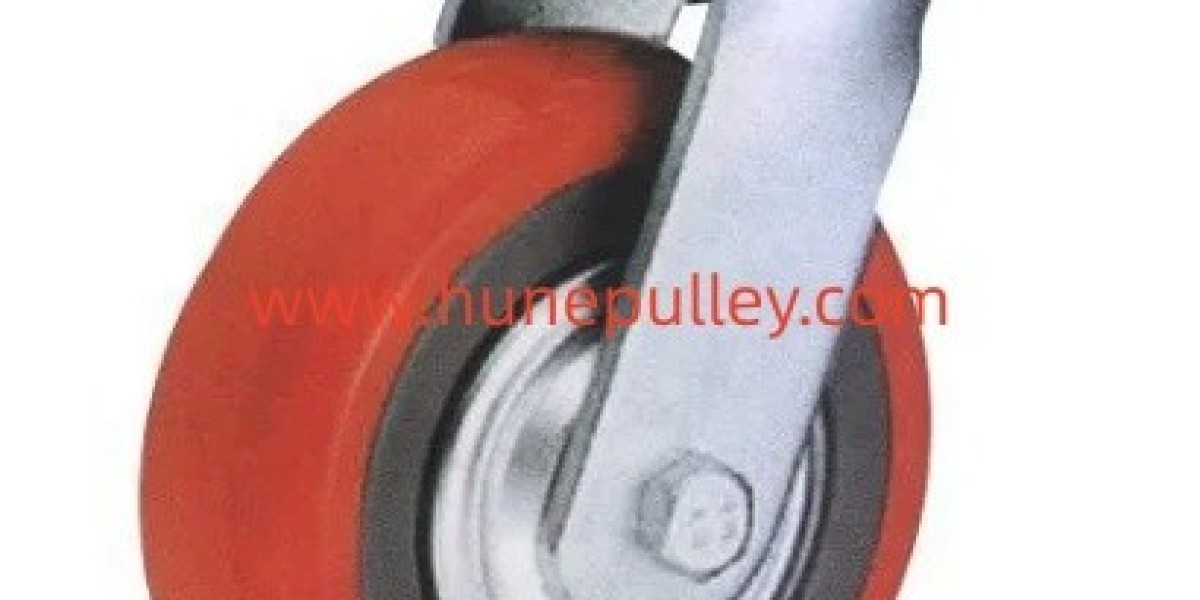

Movement is an essential part of many products, from household furniture to industrial equipment. A Roller Wheel provides a practical connection between moving structures and their supporting surfaces, helping guide components through different operating processes. Hunepulley offers hardware solutions for varied application requirements, with attention to wheel construction, material selection, structural compatibility, and the needs of manufacturers and wholesale buyers.
A wheel may appear to be a simple component, but its design involves several important considerations. Its shape, diameter, width, and surface characteristics all influence how it interacts with a track or supporting structure. A suitable design can help maintain consistent contact and support controlled movement. For product developers, selecting the right wheel configuration is an important step in creating functional equipment and furniture systems.
Material selection deserves equal attention. Plastic materials are frequently considered for applications where lightweight construction and flexible design are relevant. Nylon and POM, for example, offer different characteristics that can suit particular mechanical requirements. Metal wheels may also be considered when an application calls for different structural properties. The choice should reflect the working environment, expected contact conditions, and compatibility with surrounding components.
Different wheel profiles serve different purposes. Flat wheels are commonly associated with suitable flat surfaces, while grooved profiles can help guide movement along matching rails. Rounded edges and specially shaped contact surfaces may be incorporated into particular designs to accommodate specific structural arrangements. Understanding these differences helps buyers identify components that fit their intended equipment rather than selecting products based on appearance alone.
Furniture manufacturing provides many examples of practical wheel applications. Sliding cabinets, storage units, movable shelves, and furniture fittings may all incorporate compact rolling components. These parts help designers make better use of available space while supporting convenient movement. In commercial and industrial environments, similar components can be integrated into guided equipment, handling systems, and movable assemblies.
Compatibility is a key part of the purchasing process. A wheel must correspond with its track, shaft, bearing, or mounting structure. Differences in dimensions or installation methods may affect how the complete assembly operates. Buyers should therefore review technical drawings, product specifications, and installation requirements before confirming their selections. This preparation can reduce fitting complications and make coordination between different components easier.
For distributors and manufacturers, access to different product configurations can support a wider range of customer requirements. Projects may call for particular materials, wheel profiles, mounting arrangements, or customized dimensions. Clear communication with a supplier helps establish the intended application and identify suitable specifications. Sharing drawings and describing the operating environment can also make technical discussions more focused and productive.
Manufacturing details contribute to the final product experience as well. Material processing, molding, machining, surface finishing, and assembly procedures all influence component characteristics. Consistent attention to these stages helps manufacturers produce wheels that correspond with agreed specifications. Buyers can also discuss inspection preferences and packaging requirements as part of their sourcing arrangements.
As product designs continue to change, small mechanical components remain closely connected to the overall functionality of larger systems. A carefully selected wheel can support movement while fitting naturally into the structure around it. Whether the application involves furniture hardware, industrial equipment, or a customized mechanical assembly, considering the complete operating environment helps guide a suitable purchasing decision.
Sometimes, a small turning component can open the way to an entirely new product idea. Visit https://www.hunepulley.com/product/ and browse the available hardware possibilities. Take a closer look at the product details, connect your requirements with suitable designs, and let your next project begin with a fresh perspective on movement.