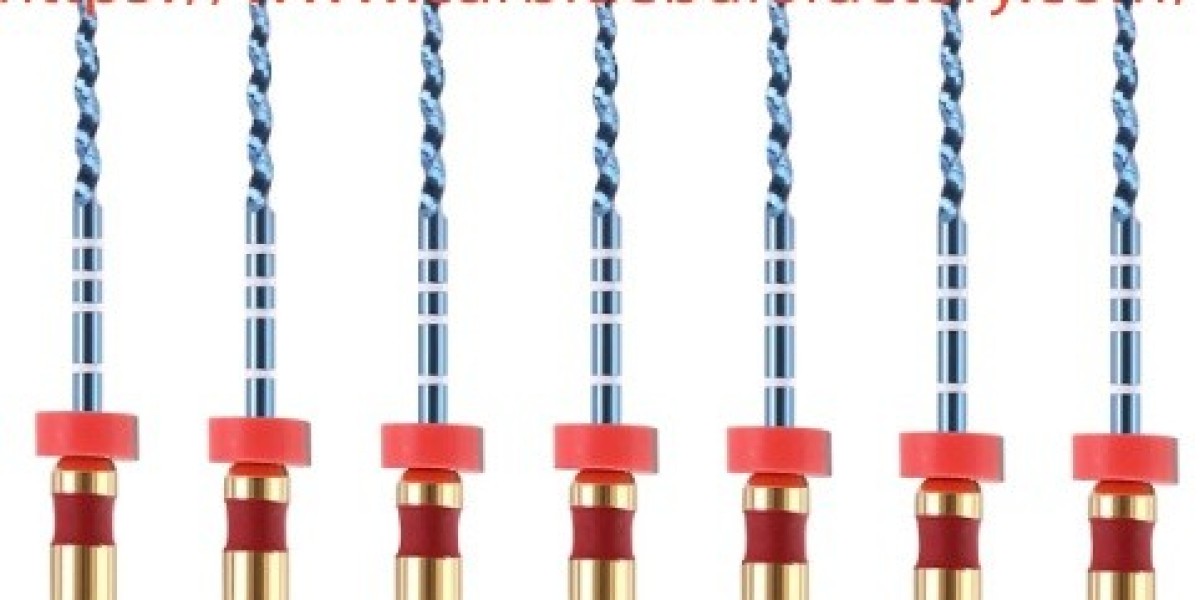

Rotary Files Factory evaluation should go beyond comparing quotations and product catalogs. Buyers need to understand how a manufacturer organizes production, manages specifications, checks finished products, and handles customer requirements. For importers, wholesalers, distributors, and private-label businesses, these details can influence purchasing costs, order coordination, and future cooperation. A structured assessment helps buyers understand whether a potential manufacturing partner matches their business needs before they commit to a large order.
Check Whether the Product Range Matches Your Market
Before discussing prices, buyers should identify which product types their customers actually need. Different industries and processing applications may require different shapes, cutting patterns, dimensions, and shank configurations.
A distributor serving several customer groups may need a varied product range, while a specialized retailer may focus on a smaller selection of frequently requested specifications. These purchasing patterns should influence the supplier assessment.
Ask the manufacturer for a product catalog with clear model information, dimensional details, and available configurations. It is also useful to discuss whether related specifications can be supplied together. This can help buyers organize their product range and prepare purchasing plans around actual market demand.
Understand the Manufacturing Process
A product catalog shows what a manufacturer offers, but it does not explain how production is organized. Buyers should ask about the main manufacturing stages and which operations are completed within the facility.
For cutting products, relevant processes may include material preparation, blank processing, profile grinding, cutting-edge formation, finishing, inspection, and packaging. The specific process depends on the product design and manufacturing requirements.
Buyers can request a general explanation of the workflow, supported by suitable workshop photographs or videos. If a particular operation is handled by an external partner, it is reasonable to ask how the manufacturer coordinates that process and checks the incoming components.
Clear information about production responsibilities helps buyers understand how the supplier manages manufacturing activities rather than relying entirely on catalog descriptions.
Review Material Selection and Product Specifications
Material selection can influence product characteristics and suitability for different applications. Buyers should ask what material options are available and how the manufacturer identifies the materials used for each specification.
Technical details should be recorded before an order is confirmed. Depending on the product, these may include overall dimensions, head diameter, working length, shank size, tooth configuration, and applicable tolerances.
A written specification sheet is particularly useful when purchasing several models. It provides a common reference for quotations, sample approval, production, and later repeat orders.
For customized requirements, buyers should provide drawings, photographs, or physical references whenever possible. These materials help reduce uncertainty and make technical discussions more productive.
Examine the Inspection Procedures
Quality inspection should be discussed as part of the manufacturing process, not only after products are completed. Buyers can ask which characteristics are checked during production and which are reviewed before packaging.
Depending on the product, inspection may cover dimensions, surface condition, cutting-edge appearance, shank measurements, and general workmanship. The inspection method should correspond to the agreed product specifications.
It is also worth asking how inspection results are recorded and how non-conforming items are handled. For repeat purchases, buyers may request agreed inspection requirements so that subsequent orders can be evaluated using the same criteria.
A clear inspection arrangement gives both parties a practical reference when discussing product acceptance and any necessary adjustments.
Request Samples That Represent Regular Production
Samples allow buyers to assess whether a proposed product suits their intended application. However, the evaluation should involve more than looking at appearance.
Check the dimensions, fitting, surface condition, cutting behavior, and compatibility with the equipment used in your operation. If several models are under consideration, test them separately and record the results.
Buyers should also clarify whether the supplied samples represent regular production specifications. This is important because the approved sample should serve as a reference when the commercial order is manufactured.
For larger purchasing plans, consider reviewing multiple samples where practical. This provides additional information about dimensional variation and product consistency before moving forward with a larger quantity.
Discuss Customization and Order Flexibility
Not every buyer has the same product requirements. Some businesses need special dimensions, specific cutting designs, customized assortments, or private-label packaging.
Before requesting a quotation, explain which details need customization and which can follow existing specifications. Ask the manufacturer about available options, minimum order quantities, sample arrangements, and any additional production requirements.
It is also useful to confirm whether several models can be included in one order and how each item will be identified. Clear product lists and written specifications help prevent misunderstandings when an order contains multiple configurations.
For distributors developing their own product ranges, communication about labeling, packaging artwork, and product identification should begin before production starts.
Compare Delivery Planning and Communication
A manufacturing partner should be able to explain how orders move from confirmation to shipment. Buyers should ask about production schedules, packaging preparation, estimated dispatch dates, and available shipping arrangements.
For overseas purchasing, discuss destination requirements and the documents needed for the import process. Packaging details should also be confirmed, especially when products will be distributed through wholesalers or retail channels.
Communication during production deserves attention as well. Buyers should know whom to contact about specification changes, order progress, and shipment arrangements. A clear contact process can make coordination easier when several departments or product models are involved.
Consider the Potential for Repeat Cooperation
The initial order is only one part of a supplier relationship. Businesses planning regular purchases should consider whether the manufacturer can maintain agreed specifications and coordinate future orders efficiently.
Ask how previous order details are recorded, whether approved samples can be retained as references, and how changes to product specifications are communicated. These practices are useful when buyers reorder the same models after several months.
At carbidebursfactory, communication about product configurations, customer requirements, and order details can help overseas buyers review suitable purchasing options. The discussion should begin with the intended application, required specifications, and estimated quantity so that both sides can clarify the project before production arrangements are made.
Prepare a Supplier Evaluation Checklist
Before making a purchasing decision, organize the information collected from each potential manufacturer. A simple checklist can help your team compare suppliers using consistent criteria.
Consider reviewing:
Product range and available specifications
Manufacturing process and production responsibilities
Material information and dimensional details
Inspection procedures and quality records
Sample availability and evaluation results
Customization and packaging options
Minimum order quantities and production schedules
Shipping arrangements and communication
Repeat-order coordination
This approach makes supplier comparisons more practical. Rather than relying on a single quotation or a brief conversation, buyers can consider how each manufacturer fits their product plans, purchasing volume, and distribution requirements.For importers and distributors preparing a new order, reviewing these details can make supplier communication more focused and help clarify expectations before cooperation begins. To check available models, product configurations, and purchasing options from carbidebursfactory, visit the product catalog at https://www.carbidebursfactory.com/product/ and contact the manufacturing team with your requirements.