


The world of aviation has undergone vital transformations because the Wright brothers first took to the skies in 1903. Among these modifications, the rise of private aviation has turn out to be a notable phenomenon, offering people and companies unparalleled convenience, flexibility, and effectivity. This text examines the evolution of private planes, their impact on numerous sectors, and the way forward for this mode of transport in an ever-changing world panorama.
Historical Context
The idea of private aviation began to take form within the early 20th century, primarily as a luxurious for the wealthy. The primary business aircraft, such because the Ford Trimotor within the 1920s, laid the groundwork for private flying. Nevertheless, it wasn’t till the publish-World Conflict II period that private aviation actually began to flourish. The introduction of jets like the Learjet in the 1960s revolutionized the industry, making private flying more accessible to people and companies alike.
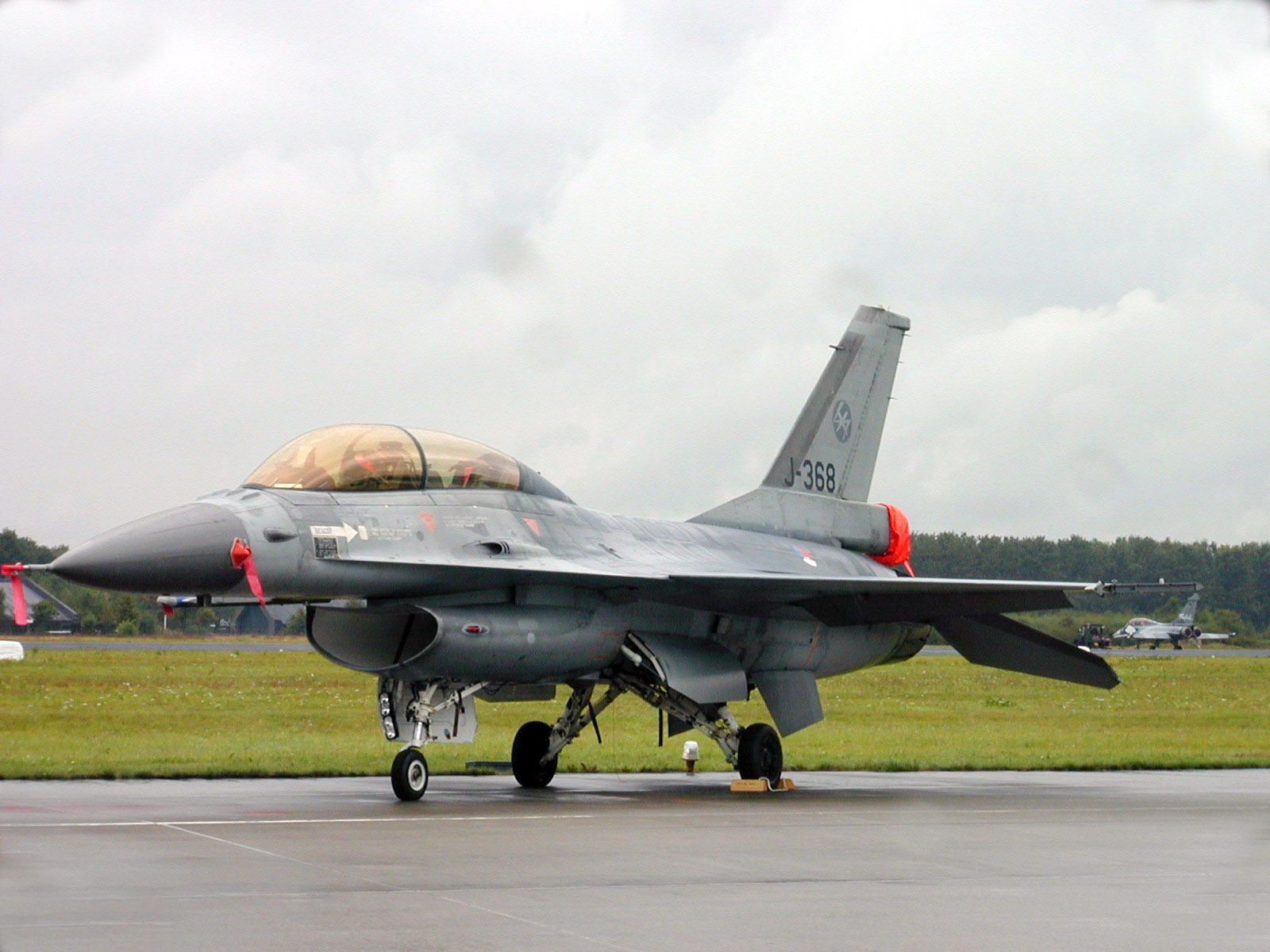
Because the a long time progressed, developments in expertise, coupled with a growing economic system, led to a rise within the number of private aircraft. By the 1980s, the market for enterprise jets had expanded considerably, with manufacturers like Cessna, Bombardier, and Gulfstream producing a spread of models catering to totally different wants and budgets. In the present day, private aviation encompasses a diverse array of aircraft, from small propeller-driven planes to luxurious long-range jets able to intercontinental journey.
Financial Affect
Private aviation performs a crucial position in the worldwide economic system. Based on the Nationwide Business Aviation Affiliation (NBAA), business aviation contributes over $one hundred fifty billion annually to the U.S. financial system alone, supporting greater than a million jobs. The ability to travel quickly and efficiently immediately impacts enterprise operations, allowing companies to reach shoppers, attend meetings, and explore opportunities that would in any other case be logistically difficult.
Moreover, private aviation usually serves as a lifeline for distant communities. Many regions lack commercial air service, making private planes an essential mode of transport for residents and businesses. The power to transport items and folks to and from these areas fosters economic growth and enhances connectivity.
Environmental Considerations
Despite its benefits, private aviation faces scrutiny concerning its environmental impression. The aviation business as a whole contributes significantly to greenhouse gas emissions, and private jets are sometimes considered as a logo of excess. However, the trade is actively seeking options to mitigate its environmental footprint.
Manufacturers are investing in additional fuel-efficient engines and lightweight materials, whereas operators are exploring sustainable aviation fuels (SAFs) that may significantly scale back emissions. Moreover, the rise of electric and hybrid aircraft presents an exciting opportunity for the way forward for private aviation, probably transforming the sector into a extra environmentally friendly different.
Technological Advancements
The evolution of know-how has significantly influenced private aviation, enhancing safety, efficiency, and passenger experience. Fashionable aircraft are outfitted with superior avionics, permitting for improved navigation, communication, and security options. Innovations similar to satellite tv for pc-based navigation methods and real-time weather updates have made flying safer and extra reliable.
Additionally, the event of in-flight connectivity has reworked the passenger experience. High-velocity web entry, video conferencing capabilities, and entertainment choices at the moment are customary on many private jets, permitting passengers to remain productive and linked while touring.
The emergence of digital platforms for booking and managing private flights has also streamlined the method. Firms like JetSuite and Wheels Up have made it easier for individuals and businesses to access private aviation, democratizing the business and increasing its person base.
The Role of Charter Companies
Charter services have change into a preferred alternative to proudly owning a private plane. They provide flexibility and price-effectiveness, allowing individuals and companies to entry private aviation without the significant monetary commitment of ownership. The charter market has experienced substantial growth, fueled by demand for on-demand travel and the want for personalized experiences.
Charter services supply a wide range of aircraft options, catering to varied needs, from short regional flights to long-haul worldwide journeys. This flexibility has made private aviation more accessible to a broader viewers, together with small businesses and people who may not have beforehand considered flying privately.
Regulatory Framework
The private aviation sector operates inside a posh regulatory framework that varies by country. Within the United States, the Federal Aviation Administration (FAA) oversees the trade, establishing security requirements and rules for private aircraft operations. Compliance with these rules is essential for sustaining safety and operational efficiency.
Internationally, organizations just like the Worldwide Civil Aviation Organization (ICAO) work to harmonize rules and promote security requirements throughout borders. Because the trade continues to evolve, regulatory bodies must adapt to new technologies and practices, ensuring that security remains a top precedence.
Future Tendencies
Wanting forward, several tendencies are more likely to form the way forward for private aviation. The growing emphasis on sustainability will drive innovation in fuel effectivity and alternative vitality sources. Additionally, advancements in autonomous flight technology could revolutionize the trade, probably leading to pilotless aircraft in the approaching a long time.
The rise of city air mobility (UAM) is another exciting improvement. With the rising congestion in city areas, the idea of air taxis and brief-range electric aircraft is gaining traction. Firms like Uber Elevate and Joby Aviation are actively working on solutions that would remodel city transportation, making private aviation an integral part of metropolis infrastructure.
Conclusion
Private aviation has come a long way since its inception, evolving into a significant element of fashionable transportation. Its financial impact, coupled with advancements in expertise and a growing emphasis on sustainability, positions private aviation for continued development and innovation. Because the trade navigates the challenges of environmental considerations and regulatory frameworks, its capability to adapt will decide its future trajectory. For more in regards to private plane Companies stop by our own webpage. The evolution of private planes not solely displays advancements in aviation know-how but also highlights the changing dynamics of world journey and commerce. As we look to the future, private aviation will undoubtedly play an important function in shaping the way we connect, conduct enterprise, and explore the world.