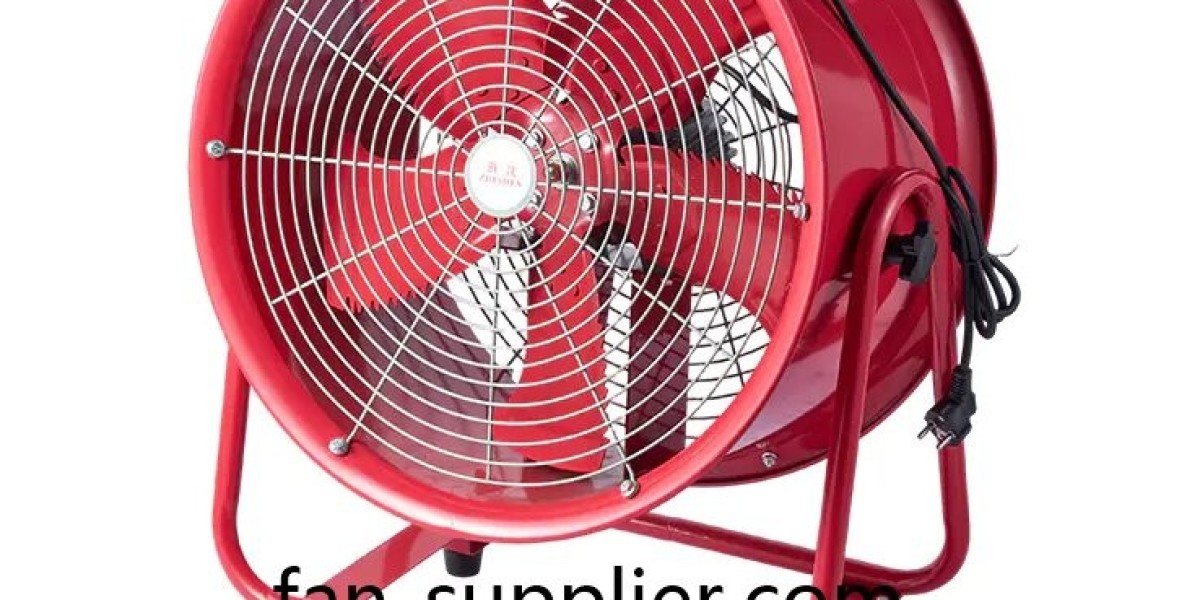

Ventilation planning in industrial facilities involves more than moving air from one location to another. In environments where flammable gases, vapors, or combustible dust may be present, equipment selection must account for the conditions in which machinery operates. When evaluating an ATEX Axial Fan, buyers should consider its materials, protective construction, airflow requirements, and compatibility with the wider ventilation system. These factors influence how effectively the equipment can support air circulation while meeting the expectations of facilities that require appropriately certified equipment.
Material selection plays an important role in the construction of industrial fans. The housing must provide a suitable structure for the internal components while accommodating the conditions of the installation environment. Depending on the intended application, manufacturers may consider steel, stainless steel, aluminum alloys, or other suitable materials for different parts of the assembly. Blade materials also deserve attention because they influence the fan's mechanical characteristics, resistance to environmental exposure, and interaction with surrounding components. Surface treatments can provide additional protection where moisture, dust, or corrosive substances are concerns. Buyers should examine the material specifications for the complete assembly rather than focusing exclusively on the outer casing.
Choosing suitable ventilation equipment begins with an assessment of the facility. Buyers need to understand the substances that may be present, the nature of the working process, and the classification of the area where the fan will be installed. This information helps determine which equipment certification and protection requirements apply. The ventilation layout is equally important. The position of air inlets and outlets, the direction of airflow, the presence of obstacles, and the connection to existing ducts can all influence the final installation. Consulting qualified engineers and reviewing relevant safety documentation can help businesses avoid selecting equipment that does not match the actual site conditions.
The technical design of an axial fan centers on moving air along the axis of its rotating blades. As the impeller turns, its blades generate airflow through the fan housing, supporting ventilation in spaces that require air circulation or extraction. In hazardous environments, protective engineering must also address potential ignition sources associated with electrical and mechanical operation. Depending on the certified design, this may involve suitable motor protection, component selection, enclosure construction, and measures to control the risk of mechanical contact or friction. The complete fan assembly must be evaluated according to its intended application and applicable certification requirements. A protective label alone should never replace verification of the equipment's documentation and suitability for the installation.
Integration with other facility systems is another important technical consideration. Industrial fans may operate as part of a larger arrangement involving ductwork, ventilation controls, monitoring devices, and other air-handling equipment. Their performance depends partly on how these elements interact. Poorly planned duct connections or unsuitable placement can restrict airflow and reduce the effectiveness of the ventilation arrangement. Maintenance teams should also have access to relevant operating information, inspection points, and manufacturer guidance. Where the installation forms part of a safety-related process, changes to the ventilation layout or operating conditions should be reviewed by competent personnel rather than made without assessment.
The user experience of industrial ventilation equipment is closely connected to installation and maintenance practices. Technicians benefit from clearly identified connection points, accessible inspection areas, and documentation that explains the equipment's intended operating conditions. A practical installation arrangement can make routine checks more straightforward and help maintenance teams identify unusual noise, vibration, visible damage, or changes in operation. Cleaning procedures should account for the fan's materials and the surrounding environment, while servicing must follow the manufacturer's safety instructions and applicable site procedures. In hazardous areas, equipment should not be opened or serviced until the required isolation and safety measures have been completed by authorized personnel.
Physical design influences how a fan fits into the available industrial space. Housing shape, mounting arrangements, blade configuration, and connection orientation all affect installation planning. A compact and orderly structure may help accommodate equipment in facilities with limited space, while accessible mounting points can simplify coordination with supporting structures. Exterior finishes and component layouts also influence inspection and cleaning. However, visual appearance should not be treated as evidence of explosion protection. The design must support the certified construction, mechanical integrity, and practical requirements of the intended installation.
Zhejiang Shenli Explosion proof Electromechanical Co., Ltd. provides industrial ventilation and explosion-proof fan solutions for different working environments. Businesses evaluating equipment for potentially hazardous areas can discuss their facility conditions, ventilation objectives, installation arrangements, and certification requirements with the company. Reviewing these details helps establish whether a proposed fan is appropriate for the intended application and how it may be integrated into the wider ventilation system. Further information about the company's products and solutions is available at https://www.fan-supplier.com.